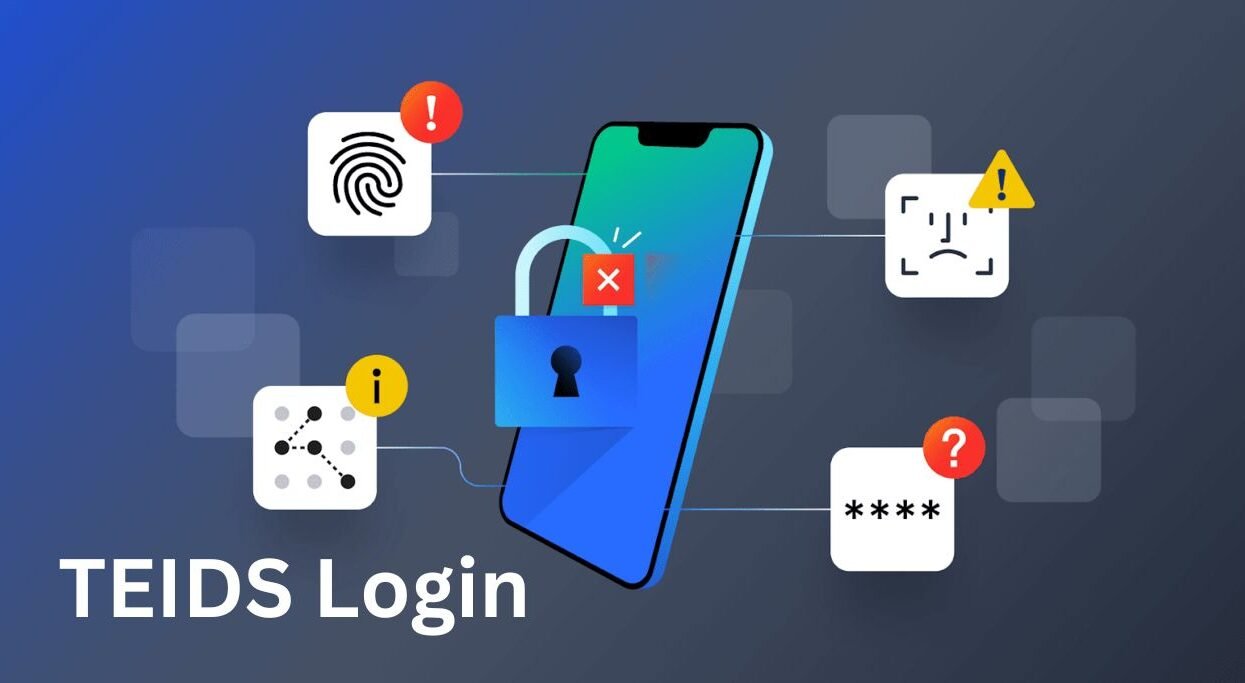
In the digital age, access control systems and secure portals have become an essential part of modern institutions, workplaces, and online services. TEIDS login refers to a streamlined authentication process designed to provide users with quick and secure access to a specific digital platform or system. Whether it is used in educational platforms, enterprise-level applications, or organizational portals, this login system ensures both convenience and data security. Understanding how it works, why it is important, and how to use it properly is crucial for anyone interacting with digital services today.
What is the TEIDS?
The TEIDS (Tennessee Early Intervention Data System) is a comprehensive, web-based data management solution designed to support early intervention programs across Tennessee. Managed by the Tennessee Department of Disability and Aging (DDA) under the Tennessee Early Intervention System (TEIS), this platform functions as the primary hub for collecting, organizing, and monitoring information related to infants and toddlers with developmental delays or disabilities, along with the services provided to their families.
Developed by Yahasoft, Inc., the TEIDS platform operates in real time, enabling professionals and service providers to seamlessly track progress, coordinate resources, and ensure compliance with state and federal regulations. By centralizing data into a single, secure system, TEIDS enhances efficiency, improves service delivery, and helps families access the support they need more effectively.
The Concept Behind TEIDS Login
The teids login process is typically designed with user experience and security in mind. It serves as a gateway that allows only verified users to access sensitive data, internal resources, or service dashboards. Instead of being a mere username-password mechanism, modern login systems like this often integrate additional layers such as two-factor authentication, password recovery options, and encrypted data storage. These features protect user information and prevent unauthorized access, making the system highly reliable for both individuals and organizations.
Benefits of TEIDS
Here are several advantages the platform provides:
-
Comprehensive Data Tracking: Having a unified system makes tracking referrals, evaluations, service provision, and outcomes far more efficient. It reduces duplication and missed information.
-
Enhanced Accountability: Providers are accountable for timely and correct data entry; state oversight is improved because the system provides clear records.
-
Improved Service Quality: Because child progress, IFSP goals, provider performance, and delays are visible, there’s room to monitor and improve quality.
-
Supports Compliance: With IDEA Part C requirements, state and federal programs need documentation. TEIDS helps meet reporting obligations.
-
Better Decision Making: Data from TEIDS helps administrators understand program effectiveness, identify gaps, allocate resources, and plan improvements.
Importance of TEIDS Login in Modern Digital Platforms
The significance of teids login lies in its ability to protect data integrity while maintaining accessibility for authorized users. As cyber threats continue to evolve, login systems must adapt to ensure safety without compromising usability. Businesses, educational institutes, and service providers rely on such platforms to safeguard personal information, financial data, and operational resources. A well-implemented login system not only secures the platform but also builds user trust, as people feel more confident when they know their information is protected by advanced security protocols.
Key Features of a Secure Login System
When exploring the functionality of teids login, it is essential to understand the core features that make it effective:
-
User Authentication: Ensures that only legitimate users can access the system.
-
Data Encryption: Protects sensitive credentials and information during transmission.
-
Multi-Factor Verification: Adds an extra security layer beyond simple password entry.
-
User-Friendly Interface: Simplifies the login process while maintaining security standards.
-
Session Management: Prevents misuse by automatically ending inactive sessions.
Step-by-Step Working of TEIDS Login
The functioning of teids login involves multiple steps carefully designed to authenticate users while protecting their data. A typical login workflow may look like this:
-
Credential Entry: The user begins by entering a registered email or username along with a secure password on the login page.
-
Initial Validation: The system checks whether the credentials match those stored in its encrypted database.
-
Multi-Factor Authentication: If enabled, the user may need to enter an additional verification code sent to their phone or email.
-
Access Granted: Upon successful verification, access to the user’s dashboard or account is provided.
-
Session Management: The system keeps track of active sessions and may automatically log users out after inactivity for added security.
Setting Up a Teids Login Account
For new users, the process of creating a teids login account is usually straightforward but involves some important steps to ensure future security. Most platforms require basic information such as name, email, and a strong password to start with. During the registration process, users are often encouraged to set up recovery options like backup emails or security questions. This preparation helps in account recovery if credentials are forgotten later. Some systems also integrate two-factor authentication during sign-up to strengthen security from the very beginning.
Best Practices for a Smooth Login Experience
To make the most of the teids login system, users should follow best practices that enhance both security and convenience:
-
Create Strong Passwords: Use a combination of letters, numbers, and symbols to minimize hacking risks.
-
Enable Two-Factor Authentication: Adds an extra step but greatly improves account safety.
-
Avoid Public Devices: Logging in from shared computers may expose sensitive data.
-
Update Passwords Regularly: Periodic updates reduce long-term security vulnerabilities.
-
Log Out After Use: Prevents unauthorized access if someone else uses the same device later.
Common Login Problems and Their Solutions
Despite the reliability of teids login, users may occasionally encounter problems such as forgotten passwords, expired verification links, or account lockouts. Most platforms offer built-in solutions like password reset options, email verification, or customer support channels. Users can usually recover access by following guided steps, ensuring minimal disruption to their activities. Additionally, platforms often provide security alerts if suspicious login attempts are detected, helping users stay informed about potential threats.
The Role of Data Security in Login Systems
One of the main purposes of teids login is to maintain strong data security protocols. Modern systems rely on encryption methods like SSL certificates to secure communication between users and servers. Encrypted login credentials prevent hackers from intercepting sensitive information during transmission. Moreover, robust security measures protect against phishing attacks, brute-force login attempts, and unauthorized account takeovers, making the platform safe for all users.
Integration with Enterprise and Educational Platforms
The versatility of teids login extends to various sectors, including corporate organizations and educational institutions. For enterprises, it allows employees to access work-related resources securely from different locations. In education, students and faculty can use a single login system to access online classes, assignments, and administrative resources. This centralization reduces complexity, improves user experience, and ensures all stakeholders have reliable access to the information they need.
Mobile Accessibility and Login Convenience
With the growing use of smartphones, teids login systems often provide mobile-friendly interfaces or dedicated apps for on-the-go access. Mobile optimization ensures that users can log in anytime, anywhere, without facing interface-related challenges. Some systems even support biometric authentication like fingerprint or facial recognition, further simplifying the process while maintaining top-notch security standards.
Regular System Updates and Security Enhancements
To keep pace with emerging cybersecurity threats, teids login platforms frequently release updates that patch vulnerabilities and improve functionality. These updates may include stronger encryption methods, faster authentication processes, and improved user interfaces. Regular maintenance not only strengthens security but also ensures the platform remains user-friendly and efficient.
User Privacy and Data Protection
Modern users are increasingly concerned about privacy. Teids login systems address this by adhering to strict data protection policies. Personal information collected during registration or login is stored securely and used only for authentication purposes. Many platforms comply with data protection regulations to ensure transparency and build user trust.
Future Developments in Login Technology
The evolution of teids login systems points toward greater automation, AI integration, and enhanced security protocols. Future versions might include passwordless authentication methods, blockchain-based security, and advanced biometric verification. These innovations aim to make login systems faster, more secure, and less dependent on traditional password mechanisms.
Conclusion
The teids login system represents a vital component of digital security and user authentication in today’s technology-driven world. By combining user convenience with robust security measures, it ensures safe access to platforms across various sectors. Understanding its features, best practices, and potential developments helps both individuals and organizations make the most of this essential digital tool.